Posts tagged escapism
Surviving → Redirecting Year-End Season


written by Linda Lin, RCC RCAT

Year end / holiday stress is so real. 


Many of us enter December already depleted, with our numbing or protective safety behaviours running on overdrive.


So I wanted to write a newsletter to validate some of these experiences and patterns I’ve been noticing. 


These patterns can be so familiar that they often go unnoticed, even when we know this season feels heavier than it appears from the outside.


Please note that language I use may sound ‘too clinical’ so if you’d like to personalize with different language/words to describe similar things, go for it!
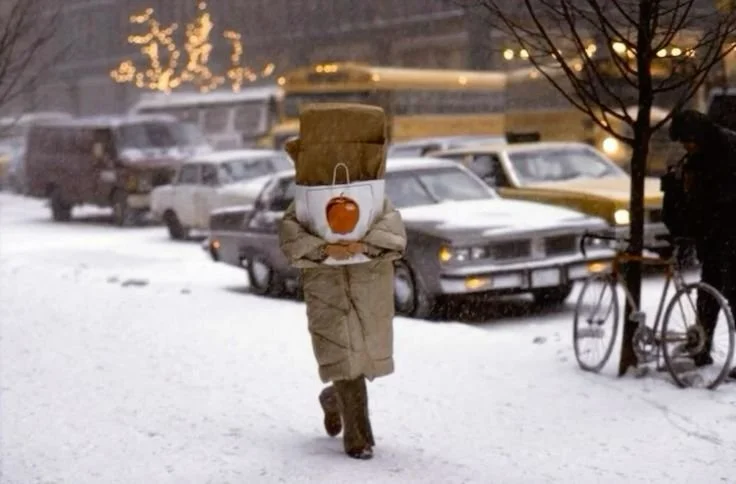
The end of the year often asks us to push through exhaustion, emotions, and (over)stimulation.


This time of year often stirs up financial pressure to find the perfect gifts, brings complicated interpersonal or family dynamics to the surface, and encourages us to wrap things up or end on a high note. 


It’s easy to become overstimulated by end-of-year sales (side note: did you know we can be exposed to 4,000 to 10,000 ads a day?), while juggling invitations and obligations, both external and internal, and navigating feelings of isolation when we’re “supposed” to feel joyful, restful, and connected. 


The stress can affect our body weeks or even months before anything actually happens at all.


A lot of us are going through this month with our safety behaviours activated. These behaviours help us numb or cope with discomfort so we don’t have to fully feel or process it. 


Safety behaviours are any acts that reduce distress in the short term by anticipating or preparing for the worst, often increasing our perception of fears. They can be very sneaky, work alongside anxiety, and often go unnoticed, leaving us feeling confused, lost, and overwhelmed.
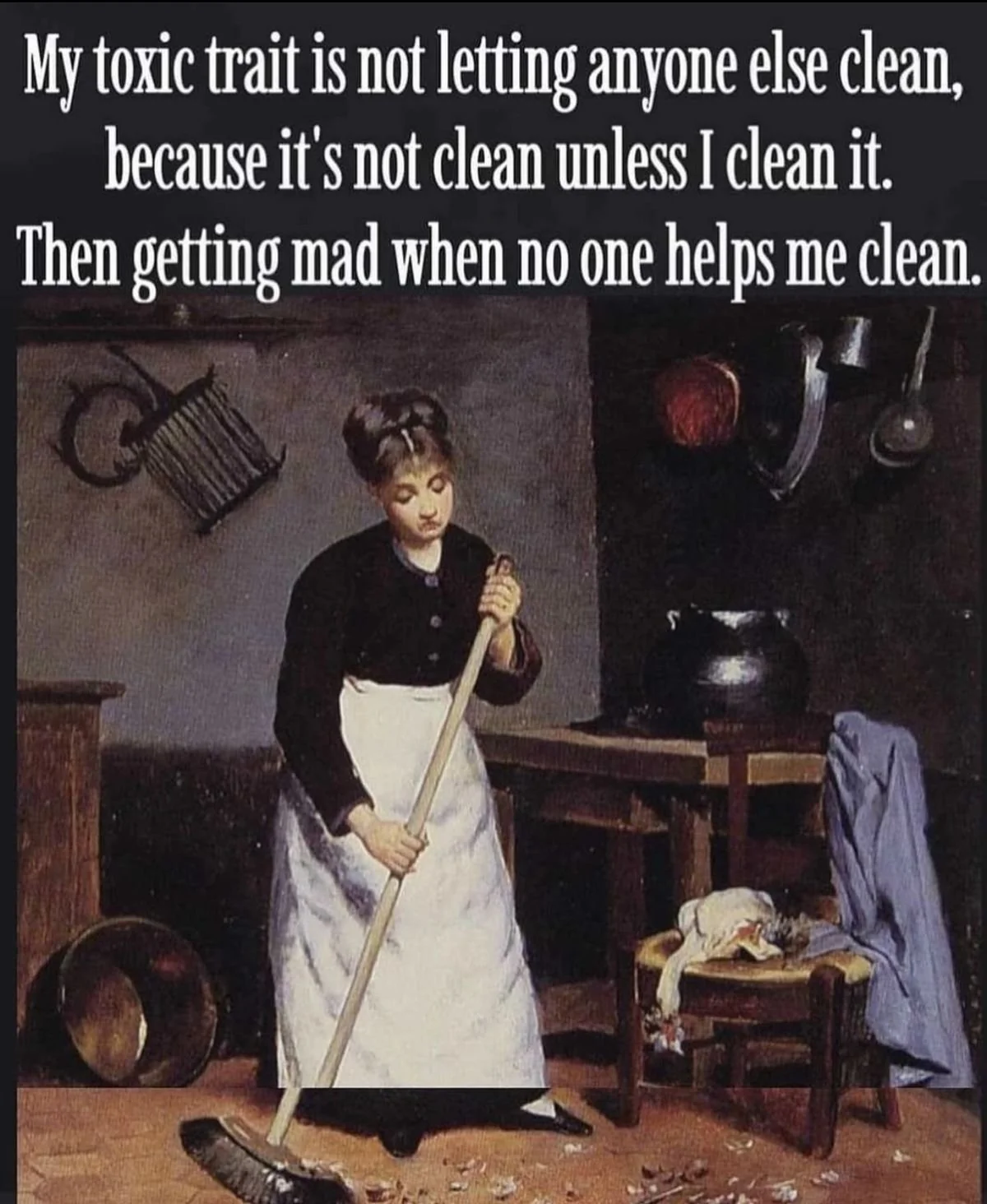
Some examples of safety behaviours I’ve noticed (not exhaustive!):

  • Overcleaning or working overtime

  • Bed rotting but not allowing for true rest

  • Frozen in doomscrolling

  • Retail therapy or overconsumption

  • Comfort eating, or restricting/picking/counting/purging, or obsessing over food/”health”/body

  • Exercising excessively with little to no recovery

  • Always trying to fix ourselves without ever celebrating our wins

  • Avoiding conflict by pleasing others (while we have no idea what our needs are)

  • Rehearsing how situations will play out at future gatherings

  • Replaying something you said or something unresolved over and over in our mind

  • Hyper-vigilance or hyper-independence that feels “right”

  • Fixating on rigid routines that fuel perfectionism

  • Harsh internal dialogue when routines are disrupted or our goals aren’t met

  • Numbing with something because you feel distressed or irritated at ourselves, others, systems, or the world

  • Exhaustion from masking or showing up performatively at gatherings

  • Texting back immediately even when we have no more capacity, or the latter, avoiding texting back for weeks

  • Seeking reassurance from others for most decisions we need to make

  • Intellectualizing or over-analyzing everything.
Good news is that there are patterns / wiring that we start to become more aware of! 

Here's what safety behaviours have in common:

  • Coping, not processing: They keep us “safe” momentarily, but not in the long term.

  • They play on our fears: Safety behaviours increase our perception of existing fears. They make fear feel more intense or obsessive, rather than helping us heal from it.

  • They respond to urgency: Acting “before the shoe drops,” safety behaviours turn anxious thoughts into rules, rituals, or compulsions in the hope of preventing a consequence. These can be physical actions, mental acts, or rigid routines we feel we have to do in the moment—or else.

  • They've worked before: At some point in history, these behaviours helped you cope and feel safe. That’s why they’re so familiar, and may even feel safe and comforting.

  • They dislike uncertainty: Safety behaviours often show up when situations are unpredictable, unresolved, or ambiguous.
Some practices I’ve been using for long-term care and support instead of safety behaviours:

  • Catching, disengaging, and redirecting from my safety behaviours toward what actually matters. For example a fear I’m working through, always feeling responsible for my team, is gradually being redirected into the belief that I am becoming a stronger leader and team member.

  • Making, creating, or crafting something with my hands (great for slowing down). 

    Enter our giveaway to drop in access to Off Screen Hours and an art journalling kit here: a special collab with 1912 Amax Stationery.
     

  • Reducing screen time on my phone, using apps like Opal to block distracting social media during the week for more mindful consumption.

  • Allowing 15+ minutes of boredom each day to check in with my nervous system and mind-body.

  • Eating food that keeps me satiated, exciting, and simple (base repetitive, toppings rotated!).

  • Moving in ways that make me feel strong while allowing ample recovery time. Lately I’ve been enjoying low-impact, high-intensity workouts (iykyk!).

  • Inviting friends to do mundane activities: dog walks, grocery shopping, co-working, cooking a meal together, or asking them for help (this one is huge for me).

What have you been practicing? 

Below I'm sharing my fave reflection questions that really help slow me down (fyi they can go deep)!
Since we tend to be reflective during this time of year, I’m inviting us to journal, discuss with a good friend and/or make some art to check in with ourselves if safety behaviours have been showing up.

Get your tea, pens and stickers ready!


• What signals do my body give me when I feel safe, and when I feel overwhelmed?
• What are my safety behaviours? List them out and try calling them out. (see above for some examples)
• What are my go-to ways of avoiding or distracting from conflict or discomfort?

• What feelings have been harder to feel lately?
• Are there parts of me that learned to stay quieter/numb/unnoticed to stay safe?
• What does this protective strategy/response want me to know?
• Where do I notice myself toning down or editing parts of who I am, especially around others this season?
• What has it taken for me to arrive here, and what needs acknowledgement and care?


In a society designed to keep us numbing, with no time to slow down, where rest is mistaken for laziness and bursts of anxiety are mistaken for productivity, our awareness is rebellion. Slowing down to notice our limits, finding ways out of misery and fear, and understanding our grief are acts of resistance. And this resistance doesn’t have to feel endless or scary.


If you’re needing some extra love and support navigating these complex experiences, our team is here for you!


May this season of reflection lead us to explore moments for rest, awareness, and connection to support us into the new year. Take good care, First name / friendsee you in 2026 ♡


Sincerely, 
Linda


Enter our giveaway before the end of the year (Dec 31st, 2025) for a chance to win: 
📓 Drop-in access to weekly Off Screen Hours (Friday workshops until Feb 2026)*
🖋️ An AMAX journaling kit — Hitotoki notebook + Pentel brush pen set
 
 
Doomscrolling is making you feel more alone


written by Linda Lin, RCC RCAT

Doom-scrolling was officially added to the dictionary in 2020. It has been a cultural phenomenon since.

And we’re fed 4,000–10,000 ads a day.
No wonder our average screen time are shocking at the end of each week (let alone another person if they saw).

Let’s be real, this constant stimulation taxes our executive function (our memory, focus, decision-making) and keeps our bodies in a continuous state of high alert.

“Staying informed” is more disconnecting than landing informed.

Engaging in the digital realm is rocky and exhausting in 2025. Like holding one too many deep dives into gaps in knowledge, where my mind stays eerily wired to every subculture at once. 


A truly overstimulating space.


How much can my mind hold at once? With so much content that's unfiltered and never really thought through, I see myself stuck in an echo chamber, picking up whatever the algorithm feeds me.


It's not all in your head.

Dominant cultures — the ways we uphold individualism, ableism, consumer-driven capitalism, the “work myth” that success equals happiness, gender norms like weddings and having kids, hating and cancelling certain groups of people, or conforming our bodies and identities to fit in — keep us isolated and fearful of each other.


Much of this comes from how the digital space itself is intended and structured, rather than any failure on our part to “use it correctly.”


Despite the sense of predictability doomscrolling can bring while times are hard and uncertain, it also…


• Makes me wired on the dominant cultures and trends
Consumerism, capitalism/urgency, what is happening in the world and in specific spaces/VERY niche groups so that I won't get 'cancelled'. That I stay 'radical', 'up to date' enough on 'better ways to show up' because as a human, I just want to connect and belong somewhere.


• Subconsciously tries to make myself palatable, attracting to most rooms I enter while fearing to be deeply loved or misunderstood. My human need to stay safe, and avoid threats like rejection.


• Ruins my relationships: it's the diagnosing and replaying every interaction after taking in opinions/content that I deemed in that one split second it spoke to my issues within a current relationship. It exacerbates my fear of being a burden, feeling burnt out already so I can't make room for inconvenience or vulnerability, and alas, choosing to stay isolated.


Sometimes dives into more info through intellectualizing which isn't all that helpful. Going down a rabbit hole of diagnosing myself and scrolling through everyone else's stories often pushes me into extremes — thinking in black-and-white, with thoughts like “everything, everyone, no one, others all have, I'm the only one, I should, I have to…” It's easy to get caught up in the highlights, fast info dumps, and all the emotionally charged hooks online.

• Builds distrust instead of believing I can do hard things: like taking the next step and processing painful experiences like loneliness and not being understood. After all, motivation and clarity isn't something we start with, but something we generate.


It's a brain that's depleted yet craving ease, turning to short term relief instead of what truly helps me in the long run. 


Coming up with prescriptions that are accessible, resonating and convenient can be hard! And it needs to speak to the nuances I'm dealing with. 


Below are some things I am doing instead of doomscrolling and pleasing the algorithm. P.S. I am taking my own prescriptions!

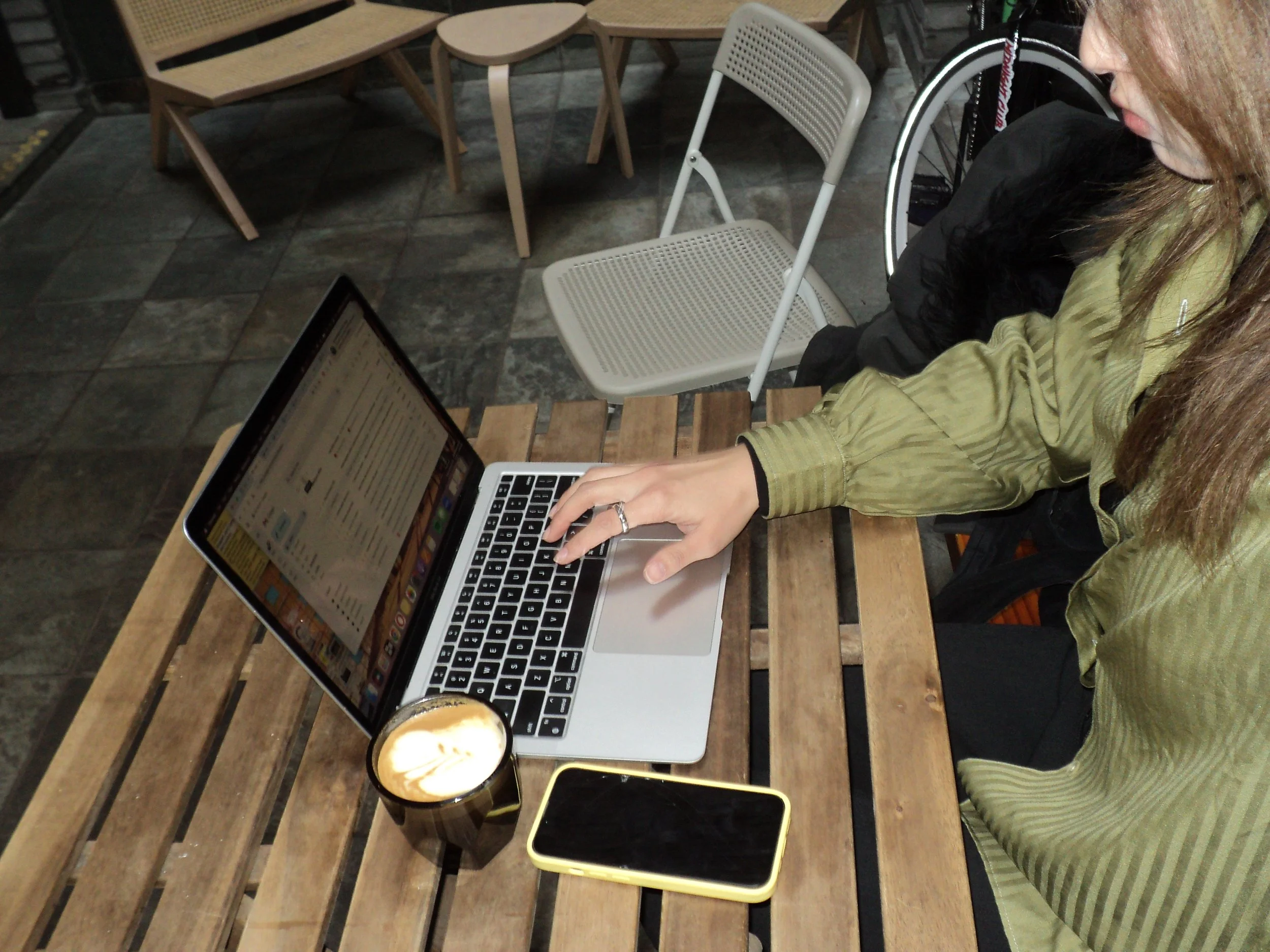
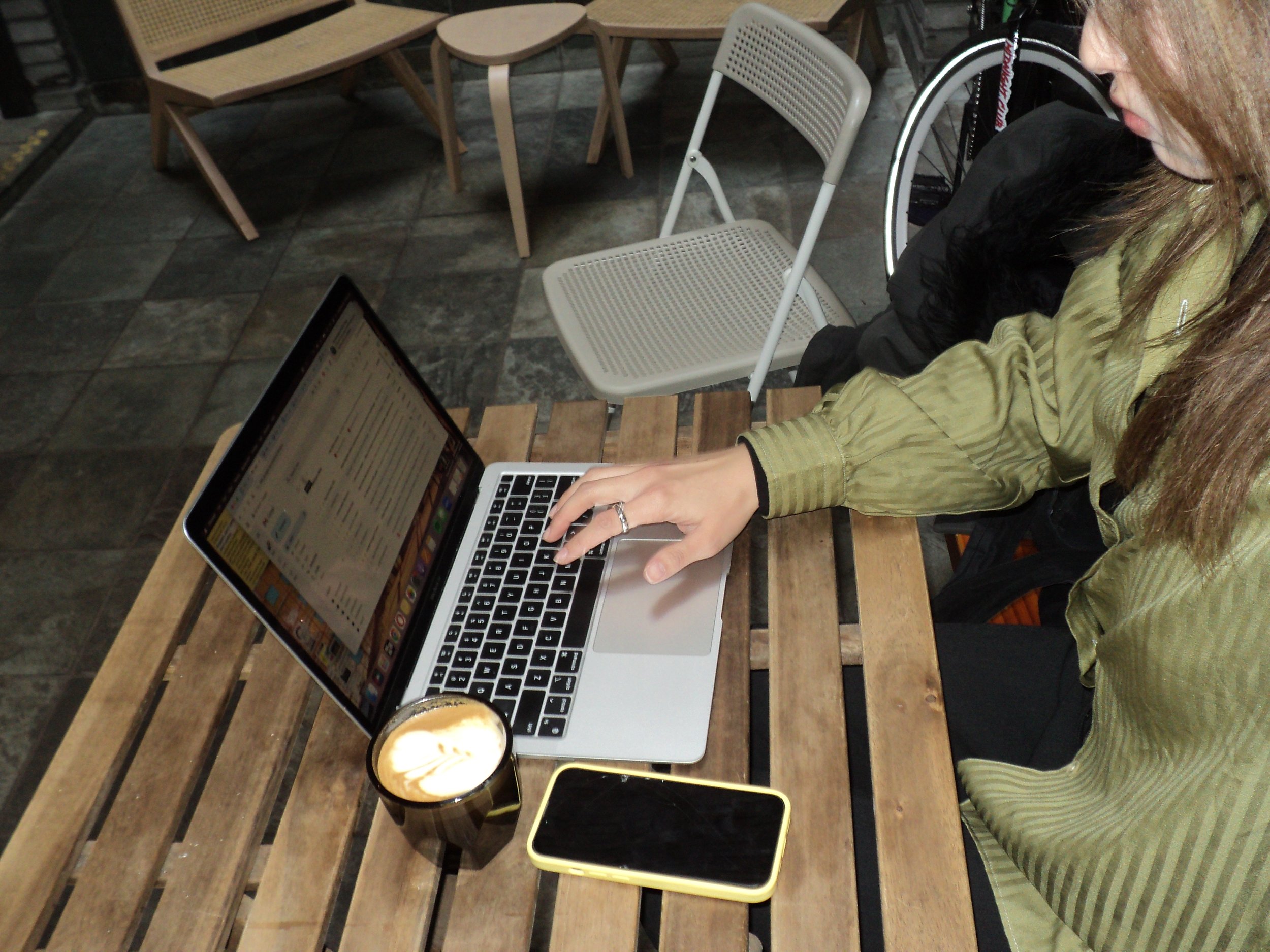
digital camera photo of an asian woman's right hand hovering on the keyboard of laptop with a cup of oat milk latte and her phone.

Here is what I am doing instead of doomscrolling 


…because we feel better once we do it.


(FYI - as the list goes on, it may get harder to practice)


𖥔 Choosing other screens that are comforting: calming games, an old drama for nostalgia, a podcast / longer form content that isn't overstimulating, or putting on a playlist (maybe that's why so many of us are listening to jazz)


𖥔 Movement: deep stretches, trying out new classes with friends, autumn walks with dogs are my top 3 faves at the moment! I've been visiting a new (dog)park every weekend, unlocking/uncovering more of the city.


𖥔 What I Deserve: instead of looking to belong somewhere or reaching a subculture in my doomscrolling journey where I can feel like someone's speaking on what I'm going through, I am practicing being intentional towards understanding myself and what I deserve with hard things I'm going through.


𖥔 2 items that prompt me to just start. Getting out of bed and brushing my teeth to start the day. Getting an emotional support drink with my laptop for admin work. For myself, every creative project starts with a pen and paper. This combo is like my 2nd brain, documenting shower thoughts, placing them somewhere where I can revisit and even notice themes like writing this newsletter!


Here are some pen and paper prompts:

* Stamp cards! Rewarding myself and celebrating after doing X amount of hard things! Stickers are involved.

* Document one memorable moment from your day. Looking back at these moments reminds your future self of the value of being present


𖥔 Invitation to 'doing nothing': they say, 15 min a day of boredom is medicine to finding meaning. It's so hard to stay bored but I do notice it creates a gateway to slow down and notice my body. It's like a workout session for my attention span. And I'll know the training is working when doomscrolling in rapid pace becomes “weird” to me.


𖥔 Art journalling and conversations in a 3rd space. A community center, library, park, field, cafe, lounge area of a building or coming to our creative workshops (happening weekly now / see below!) have been points of connection away from just relying on the digital space. If you're feeling sad, lonely, or stuck creatively, being in a 3rd space can really help. It's a chill space if you're looking to make friends!


freedom of expression // freedom from perfection

I hope in the colder months we invite in duality. Softening while staying engaged. Resting while remaining aware. It's a time to do less, but that doesn't have to mean consuming more.

May this season remind us that we can log off and still be connected to what matters.


Thanks for tuning in,

Linda ♡


Nostalgia as coping


from our newsletter, written by Linda Lin, RCC, CCC, RCAT

“When did life stop feeling like this”

In the face of rapid life changes, and in the age of escapism while witnessing brutality from dying systems, the specks of our past can feel like a cushion we lean onto, seemingly simpler, easier, and happier than today.

This tweet is what prompted me to write about nostalgia as coping:

Nostalgia feels like a temporal preservation within virtual spaces. Nostalgia acts as an island we retreat to, an anchor in the face of hopelessness and restlessness. It's as if it were a freeze response to our overwhelming reality—a coping mechanism, offering us a brief respite from the uncertainty of a better future.

In times of despair and hopelessness, I tend to rely on nostalgia as a coping** mechanism. In Mandarin, there’s this phrase, 舍不得 (shě bù dé), which roughly translates to 'reluctant to part with' — that's how nostalgia feels to me. 


I find myself bonding with friends over our childhood memories, indulging in art forms like my favourite shows, listening to music by my teenage idol at the time, BoA, and scrolling endlessly on Pinterest to curate old internet energy and Y2K aesthetics into a mood board. In these digital spaces, the collective nostalgia of shared experiences emerges, eliciting a contagious, creative energy.

*Nostalgia: Nostalgia is not necessarily remembering the reality. It’s a deep longing for space and time that has passed, people we loved and/or loved us, a version of ourselves that is no longer accessible to us. 

Sometimes, nostalgic feelings bring up feelings of hopelessness and deep sadness about current-day reality. Some people refer to this experience as nostalgic depression, where the sentimental longing for the past brings up grief and disturbance.

**Coping vs. vs. processing (watch this tiktok)

Coping is like a bandaid, or first aid. It can be validating, brings awareness and tends to an emotional wound when it shows up. To cope is the attempt to stay functioning through emotional pain.

Processing is accessing our nervous system (the language of our mind and body connection)’s wisdom. It recognizes overwhelming experiences will be stored in our body. It often times feels more intuitive, trusting, understanding with context of emotional wounds.


The charm and power of art making as processing nostalgia

As we make art (a collaboration between our intuitive nervous system, the environment we are in, and earthly materials), we are choosing to engage with the full moment and a fragment of our experience being preserved beyond thoughts and feelings.

Art making breeds nostalgia, eliciting a contagious, creative energy! Art making can help with release and express emotions, storing them in the image so we don’t have to carry it all.

Here’s an art as therapy prompt for you:

(the steps act as a gentle guide and are completely optional)

1. Choose a specific time period you want to revisit from your past. Choose art materials, a playlist, a space, a comfort item (eg. a stuffed toy), or a snack to pair with this time period.

2. First marks: Invite your younger self from that time period to make the first marks. Express through your inner child you want to connect with. Draw/paint/play as if your younger self is making the marks. These may be symbols that you used to draw, or describing a feeling you remember fondly from that time.
Alternative option- embodied time: Connect with a space in time and make your first marks as if you were embodying that space in time.

3. What your younger self prefers: work with art mediums, textures, colours etc. you would have chosen when you were younger. 
Alternative option: what symbols, textures, feelings, and beings inhabit this space/world?

4. An essence of support: Collaborate with your inner child by bringing in your current self. What are some symbols or imagery you engage with nowadays that you would like to add onto this artwork to bring in an essence of support and witnessing?
Alternative option: What does your space in time/world need as resource and support? Add images for this space to feel safe and comfy.

5. Gentle check-ins with yourself - with both your inner child (or the space in time), and your current self: stretch, notice your capacity to engage/disengage, go for a walk or recharge in another room whenever you need it.

You DO NOT have to finish/complete this artwork or prompt in one go. Heck, you don’t have to complete anything if it doesn’t sit right with you.

6. Honour your art piece and think of containment and storage. Does the image need borders? Maybe you can attach your artwork in a journal. Or put a frame around it, if the image wants to be seen by others and yourself often. Where does your art piece want to be?

7. Bring in community. Work with a peer you trust, someone you want to share this with or an art therapist to support your emotional health with this exercise. 


Hopefully this art as therapy exercise prompts you to engage in nostalgia as a coping practice. To bring in a time in space or reconnect and honour your younger self’s art expressions with the creativity from your current self.

Give this art as therapy prompt a try or gift this blog post to a friend who may enjoy it! :)